Why Property Transactions Take So Long, and What Really Causes the Delays
Daniel Hamilton-Charlton · 7 January 2026

PODCAST EPISODES - LISTEN HERE
One of the most common questions I’m asked, whether by buyers or sellers, is this,“Why is this taking so long?”
And usually that question is quickly followed by frustration, finger pointing, and blame being placed squarely at the door of the conveyancer.
Now, sometimes delays do sit with the property lawyer, but far more often, the causes are layered, avoidable, and baked into the process long before a sale is ever agreed.
So let’s lift the lid on what really causes property transactions to drag on for months.
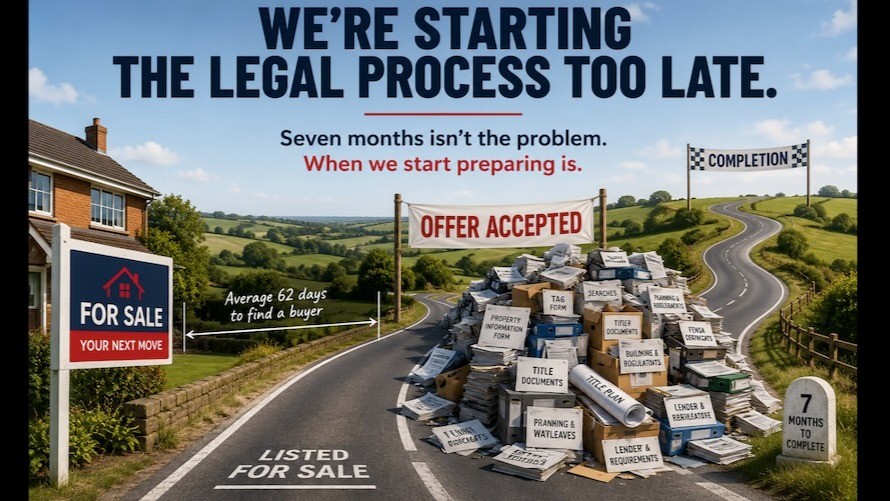
The first major cause of delay is poor preparation, particularly on the seller’s side.
A sale is often agreed before a seller has instructed a conveyancer, completed their paperwork, gathered guarantees, or even confirmed that they are legally ready to sell. When the memorandum of sale lands with a conveyancer who hasn’t been instructed, hasn’t completed ID checks, and doesn’t yet have basic information, the clock hasn’t even started, even though the buyer thinks it has.
From the buyer’s perspective, this silence feels like a lack of commitment. From the seller’s side, they often don’t realise how much work still needs to be done. Tension builds quickly, simply because no one explained what should have happened before marketing began.
The second issue is unqualified buyers.
Properties are still being taken off the market based on offers from people who have not confirmed affordability, have not spoken properly with a mortgage broker, or have not sold their own property. When finance later becomes an issue, or a chain collapses further down the line, weeks or months are lost.
A sale agreed is not a sale completed. It is only a weak promise that things might progress, provided everyone involved is actually in a position to move.
Then we have late discovery of risk.
Searches and reports often arrive weeks into a transaction, sometimes months. Environmental risks, planning issues, highway matters, or title problems are uncovered after buyers have emotionally committed, paid for surveys, and locked in mortgage offers. When issues surface late, decisions become harder, emotions run higher, and delays multiply.
This is one of the reasons I have always pushed for buyers to access information earlier and sellers to disclose more upfront.
Another significant factor is volume conveyancing.
Some conveyancers are handling hundreds of live files at once. When that happens, even simple transactions get lost among complex ones. Communication slows, updates are reactive rather than proactive, and progress often depends on who shouts the loudest.
That is not how a process involving someone’s home, life savings, and future should be managed.
Chains also play a huge role.
One weak link in a chain can stall multiple transactions. If one party is not ready, has funding issues, or delays paperwork, everyone above and below them feels the impact. Chains are far less visible than they used to be, and many buyers and sellers don’t fully understand who they are waiting on or why.
Then there’s communication, or lack of it.
Buyers assume silence means nothing is happening. Sellers assume their conveyancer is dealing with everything. Estate agents chase updates without always understanding the legal position. Conveyancers are inundated with calls that could have been avoided with clearer expectations and better preparation.
All of this creates a perfect storm.
So why do property transactions take so long?
Because sellers are often not contract ready, buyers are sometimes not financially ready, risks are uncovered far too late, chains are fragile, workloads are excessive, and communication is poor.
The good news is this, many of these delays are avoidable.
Better preparation, earlier access to information, realistic expectations, and choosing the right professionals can dramatically improve timescales and reduce stress.
Moving home does not have to feel like a battle, but it does require people to understand the process they are stepping into.
And that, ultimately, is what this podcast is here to help with.
Thanks for listening to this episode of Moving Home, Uncovered . If you found this useful, subscribe so you don’t miss future episodes, and head over to propertysearchesdirect.co.uk/podcast to send me your questions. I’ll cover them in future episodes to help make moving home a smoother, less stressful experience for everyone.